

































There’s a painting that most Americans have seen and moved onwards without a second thought. Myself included.
John Trumbull painted it, took him about thirty years to finish and it lives in the Capitol Rotunda now — twelve feet tall, oil on canvas, forty-seven faces staring back at you. It’s labeled Declaration of Independence but it’s not actually the signing. It’s the moment the draft got handed over. Six days before July 4th.
Nobody’s picking up a pen.

Here’s what I keep coming back to when I look at it — those aren’t just statues, lawyers or just legends. They’re a printer, a merchant, a doctor, a poet, a surveyor, a molasses trader — young and old, coming from different generations, trades and backgrounds. They’re guys who had jobs and farms and kids and debts.
Benjamin Franklin was seventy years old with gout. Francis Hopkinson was the kind of man who drew caricatures of his colleagues to pass the time during long sessions — talented enough that people called him one of America’s first composers, restless enough that he apparently couldn’t just sit still and listen. Abraham Clark never got a formal law degree. He was good at math, became a surveyor, and started giving free legal advice to farmers who couldn’t afford a real lawyer. They called him the poor man’s counselor.
None of them were built for a painting. They were just the ones who showed up.
Then, a few weeks later on August 2nd for most of them, they signed something that made every one of them a traitor to the crown. Not as a figure of speech. Legally. Benjamin Rush called it signing “our own death warrants.” He put his name on it anyway. Robert Morris wasn’t even sure he agreed with the timing, signed, and then spent years of his personal fortune keeping the Continental Army funded when the government ran out of money.
Then there’s the Hancock story — big signature, big enough the King wouldn’t need his glasses — I don’t know if that’s true. I’ve heard it enough times that I want it to be.
What I do know is that the men in that painting weren’t united in who they were. They were a room full of people who each brought something different and then agreed in unity on the same piece of paper.
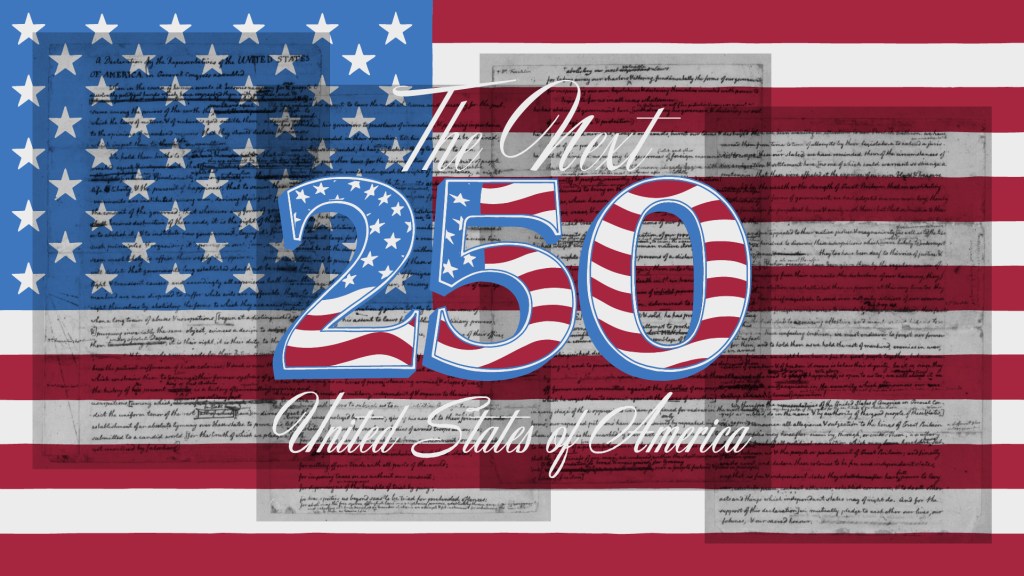
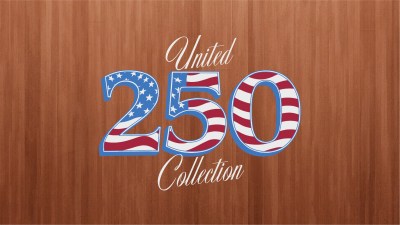
We built United 250 because 250 years felt like it deserved more than a sales graphic. It deserved the actual thing underneath it. As I drew the lettering and the flag, my mind reflected on these classic American stories of grit, strength and resolve.
And here’s the part that gets me — those men weren’t signing for 1776. They were signing for the next 250 years and beyond. For whatever anyone would build inside the country they were betting everything to start. Every small business, every family farm, every kid learning a trade from their dad — all of it sits on top of what got signed in that room.
Grit shouldn’t expire — it should be carried onward.
That’s what the collection is about. Not a history lesson. Just a reminder that the thing you’re working on today is part of a longer story than you can probably see from where you’re standing.